
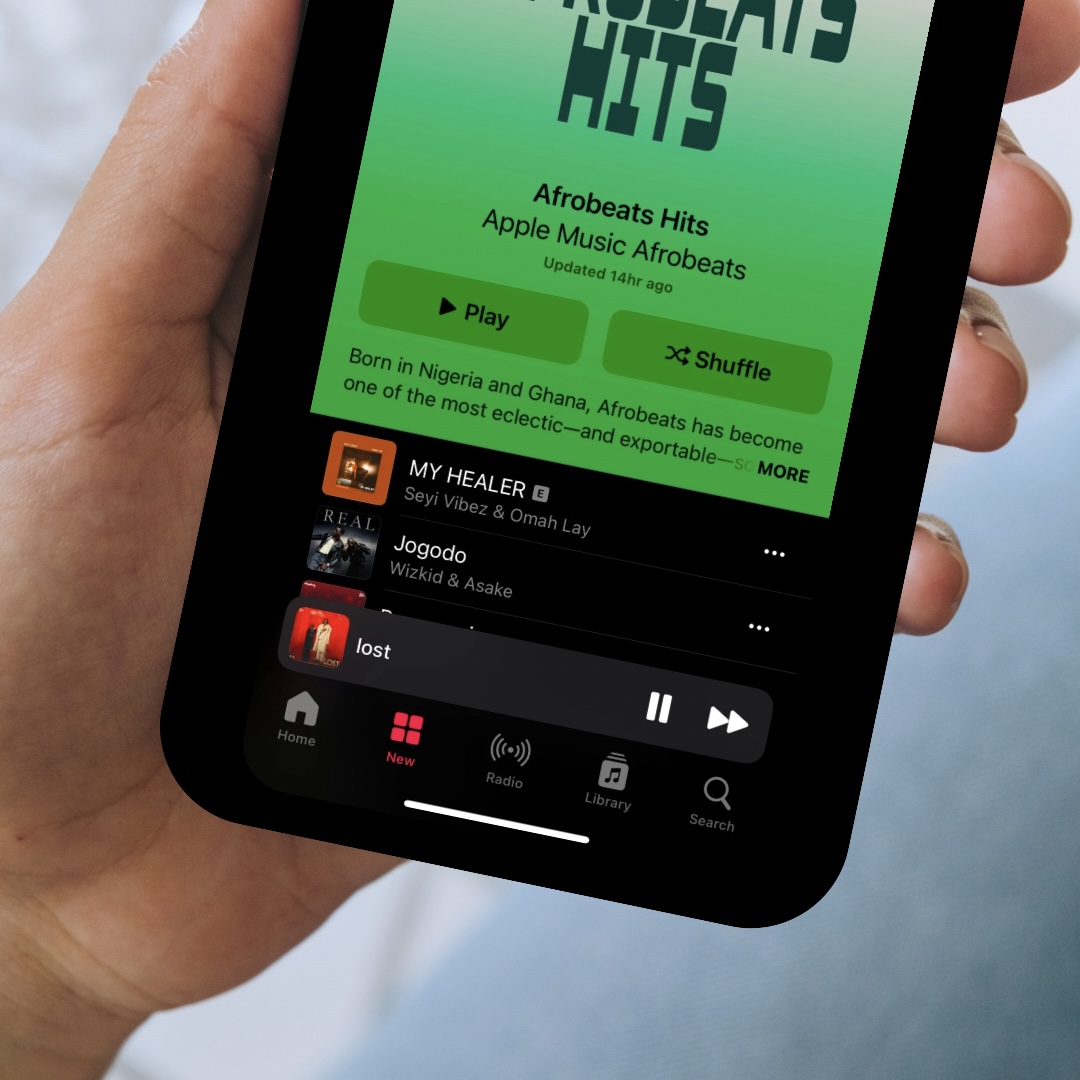
How to increase your chances of getting on editorial playlists as an independent artist in 2026
Most artists want to get on editorial playlists, but only a few understand what it takes and how best to prepare themselves for it.
This article breaks down practical ways independent artists can increase their chances of getting featured on their favorite editorial playlists.
1. Make Music For A Defined Audience
Editorial curators don't just look for "good songs." They look for songs that serve specific listeners.
Every playlist was created with a specific theme in mind: a mood, a moment, a lifestyle, or a community.
Before releasing, ask: What mood does this song create? What situation would someone play this in? Which existing playlists does it sound like it belongs on?
If you can't clearly answer these questions, neither can the curators.
2. Clean Up Your Artist Profile
Your artist profile is often the first impression a curator and even new listeners get of you.
An incomplete profile creates doubt. A clean, intentional profile builds confidence.
Make sure your profile includes:
- A clear, professional artist photo
- An updated bio that describes your sound and identity
- Consistent visuals (cover art, profile image, banners)
- Active links to your social platforms
Optimizing your profile doesn't guarantee playlist placement. But a weak profile can quietly disqualify you.
3. Get Your Genre Right
If your song is Amapiano but you select Alternative as the primary genre, it will be routed toward Alternative/Indie curators and may never reach Amapiano-focused editors.
It'll get judged against the wrong sonic standards, so even if the song is great, it now feels "out of place."
Curators move fast. If something doesn't instantly sound like what they're reviewing for, they skip.
So it's not just a small mistake. It can quietly kill your chances.
4. Make Your Music Sound Professional
Invest in good production and quality mixing and mastering. Curators and listeners notice quality immediately. Even the best song can get overlooked if it sounds messy or unfinished.
Tracks with clear vocals, balanced instruments, and a strong overall sound are easier to listen to, easier to share, and more likely to get playlisted.
5. Submit Early
Most platforms recommend submitting at least 7 days before release, but earlier is better. Curators need time to listen, evaluate, and decide whether your song fits their playlists.
Submitting at the last minute can mean your track gets overlooked, no matter how good it is. Aim to submit your music at least 3–4 weeks before your release date.
Submitting early also gives you time to catch any last-minute issues with your audio, artwork, or metadata.
6. Release Consistently
Curators are more likely to notice artists who release music consistently. Regular releases tell editors you're not a one-off and that you are here to stay.
You don't need to release a song every week, but aim for a steady schedule, whether it's every 6-8 weeks or monthly, so curators and listeners stay engaged and familiar with your music.
Even if a release doesn't get playlisted, a consistent, growing presence ensures editors remember you, making your next pitch easier.
7. Work With A Distributor That Pitches
Not all distributors pitch music. Some only deliver your files to streaming platforms.
If your distributor isn't actively submitting your songs to editorial teams, you're missing key opportunities for visibility.